
Galaxy Diver II
Join us for an unforgettable week
of big animal action
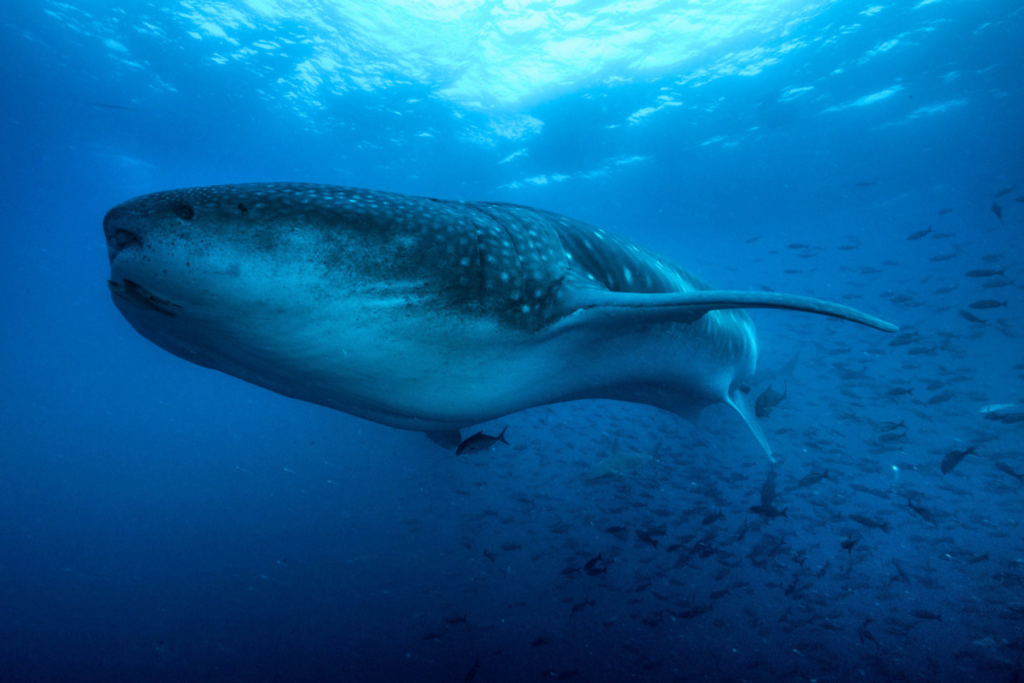
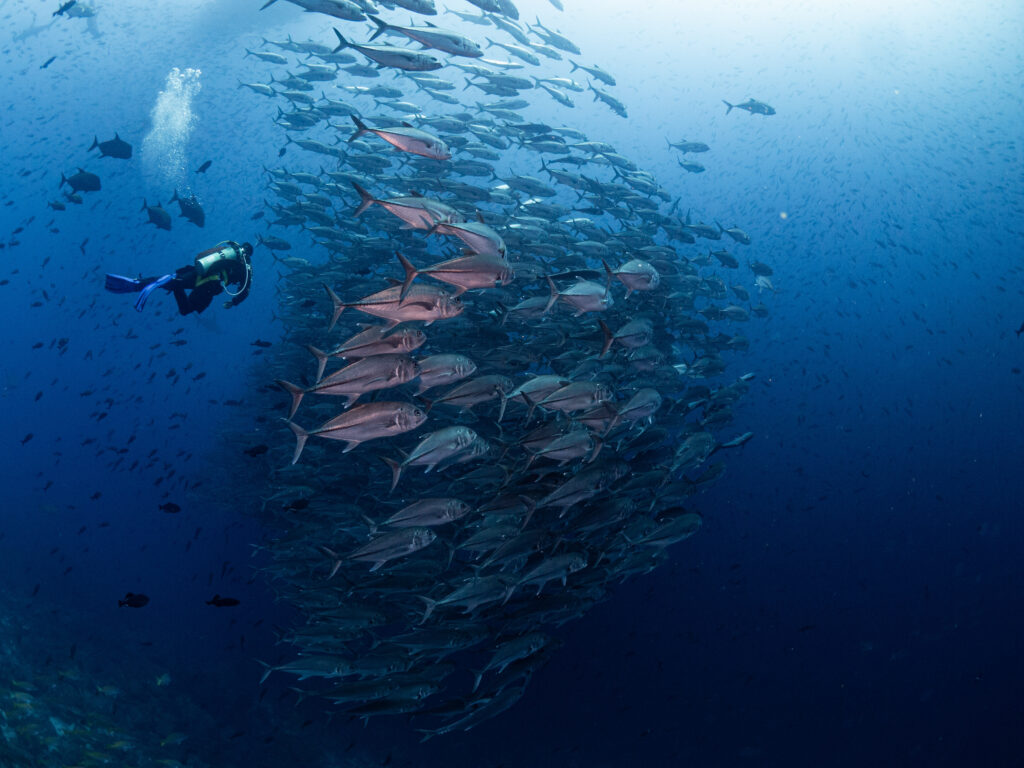
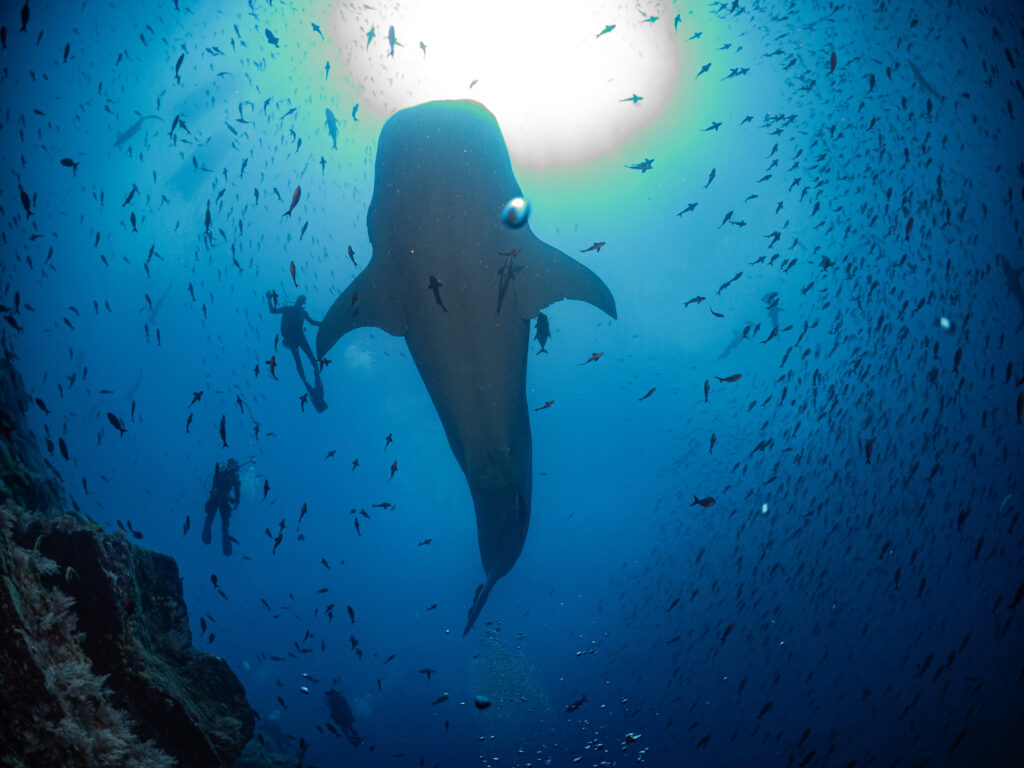
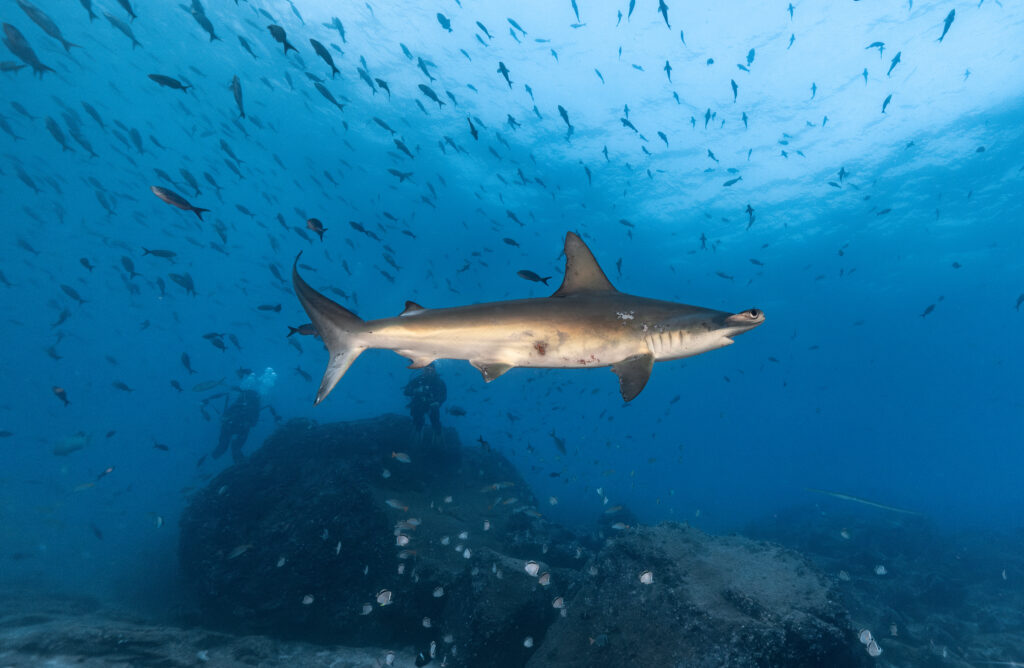
Whale sharks, massive schools of hammerheads, Galápagos sharks, rays, turtles, and endless blue water encounters.
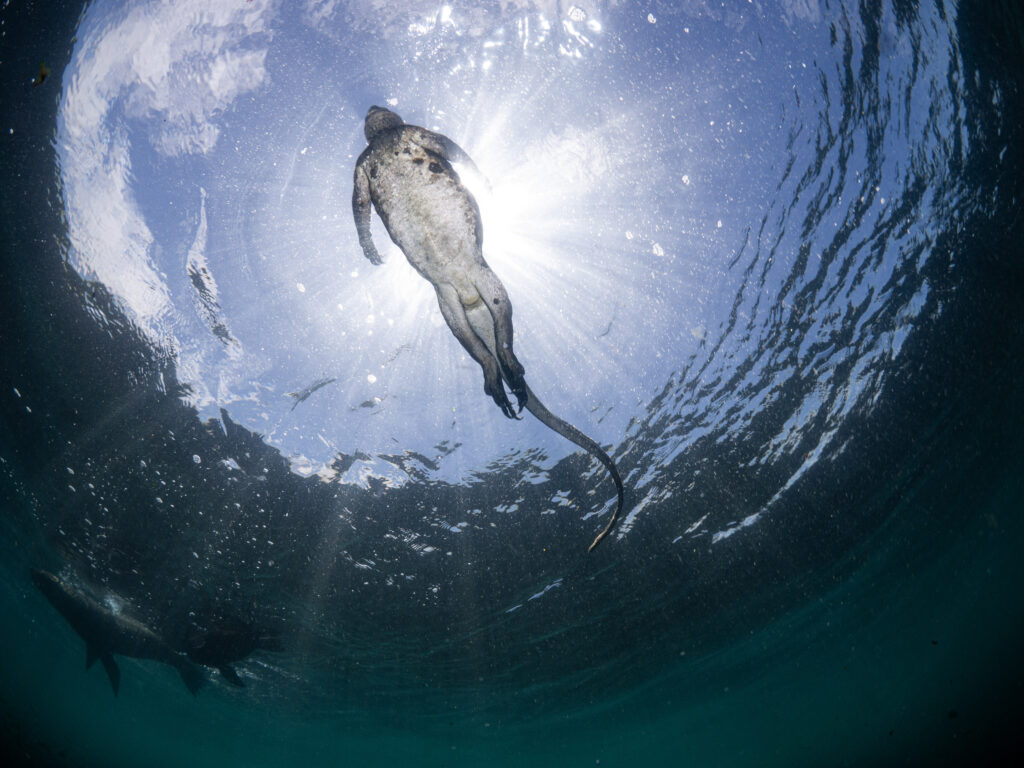
Dive in the only place on Earth where you can see marine iguanas feeding underwater, a truly unique behavior found nowhere else in the world. Encounter the majestic mola mola in season, alongside one of the highest shark biomasses ever recorded on the planet.
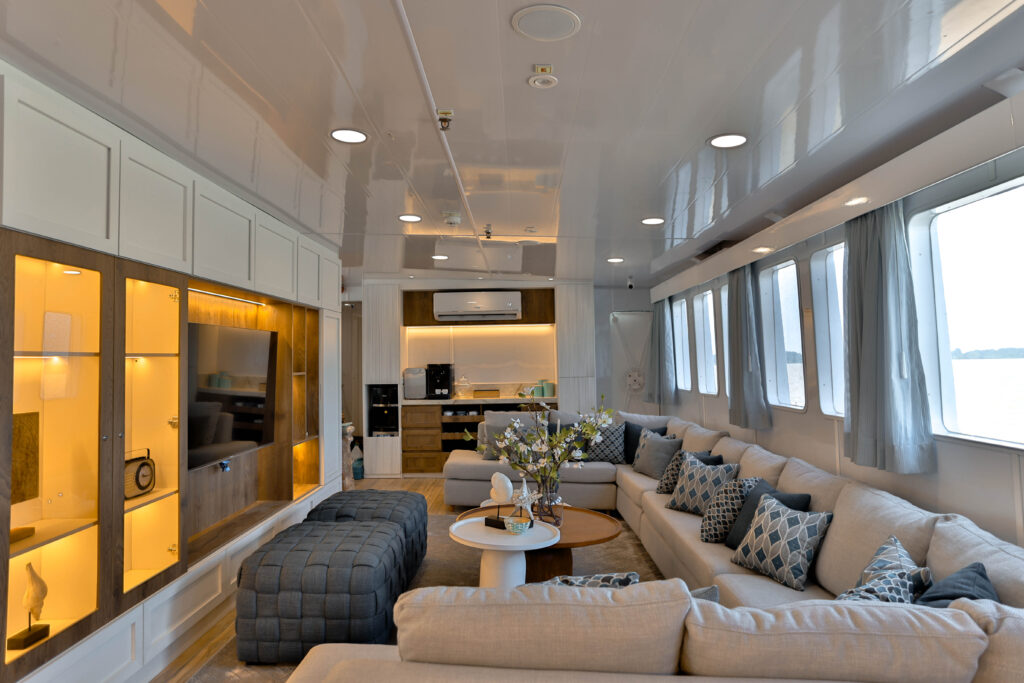
World-class guiding, small group diving, and the best liveaboard platform in Galápagos make this a focused, high-level expedition designed for serious divers.
Great offer at $7.500
A limited number of spots on the Galaxy Diver II expedition are available at a preferred rate, providing early access to a fully planned Galapagos diving experience.
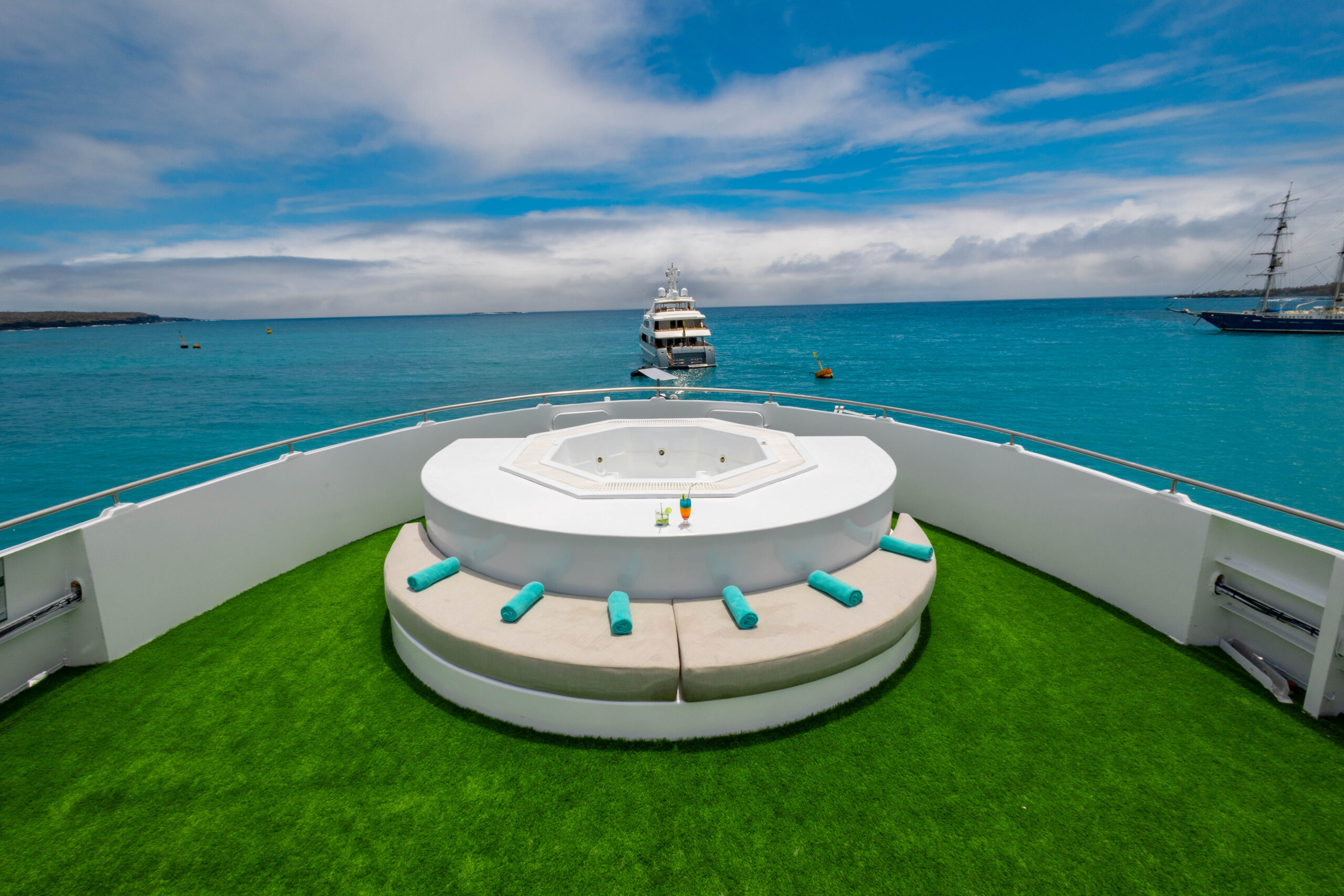
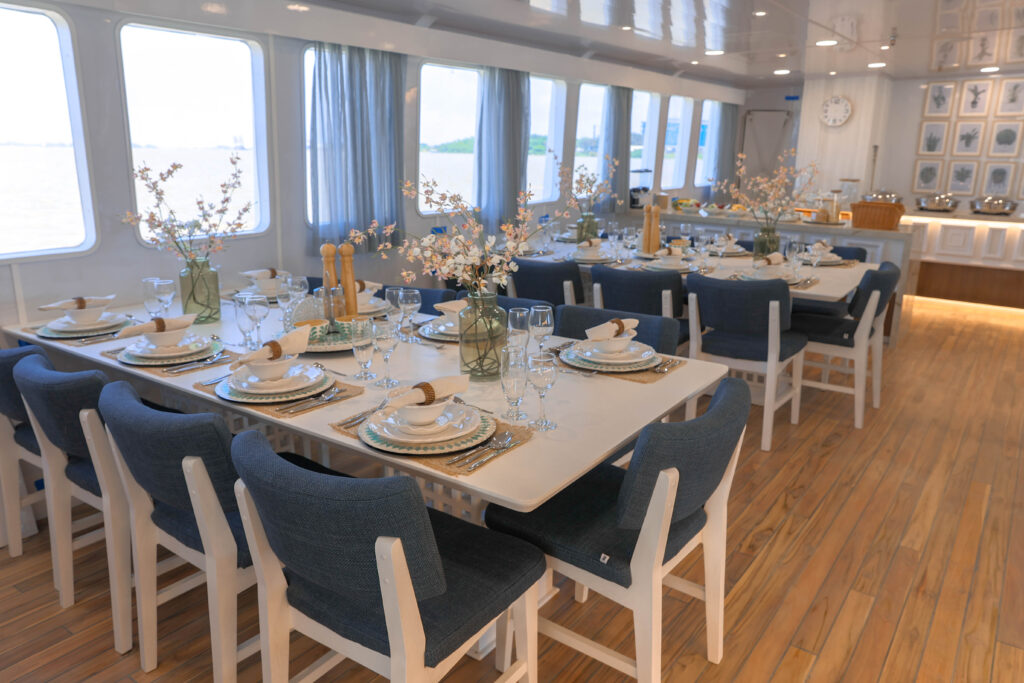
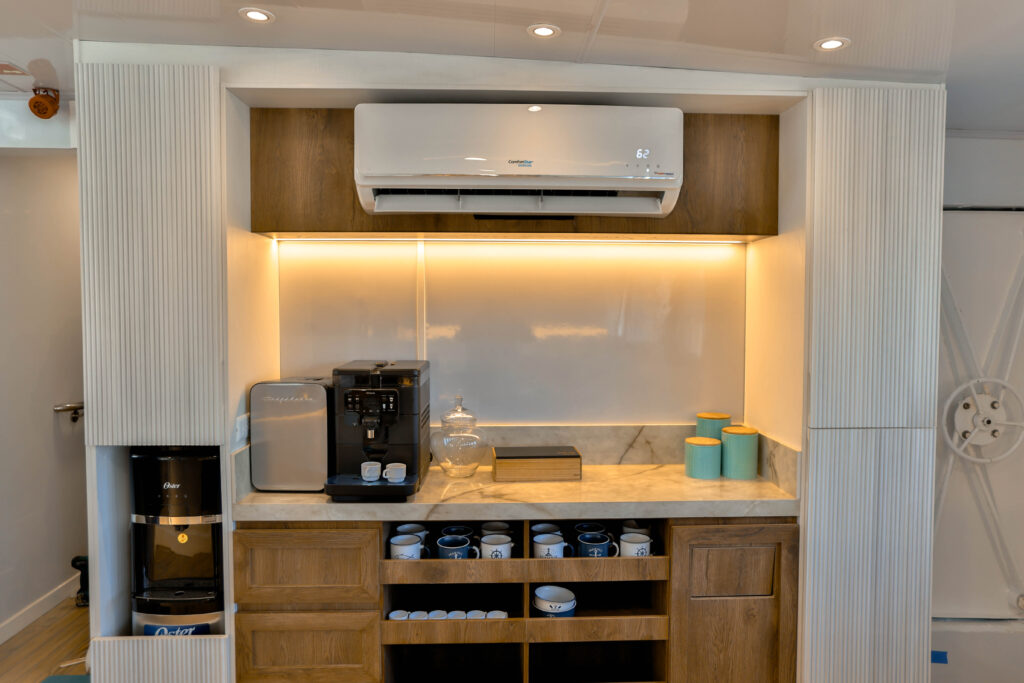
The Liveaboard

Gallery
Every Image
Reflects the power, scale, and beauty of the Galaxy Diver II expedition.
What Makes Us Different
Personalized advisory is at the center of everything we do
At DestiGo, every diver joining the Galaxy Diver II expedition receives structured guidance from the very first conversation. We make sure you understand the destination, the conditions, the logistics, and how to prepare properly for Darwin & Wolf.
You receive clear direction on:
• Water temperatures and exposure protection
• Recommended equipment for Galápagos currents
• Nitrox availability and onboard setup
• Domestic flight coordination
• Entry requirements and marine reserve fees
• Payment process and cost transparency
Every step is explained with clarity and precision.
Our advisory ensures you arrive informed, prepared, and confident.
By the time the expedition begins, you already feel oriented and supported.
Itinerary
Day 1 Wednesday
AM: BALTRA (AIRPORT)
PM: BALTRA NORTHEAST / CHECK DIVE
AM (Arrival) | Santa Cruz Island: Baltra Airport | Dives: —
Welcome to Galápagos. Our team will meet you outside the terminal at Baltra Airport. Once the full group is ready, we’ll take a short 10-minute ground transfer to the dock, then a quick boat ride (under 5 minutes) to Galaxy Diver II.
On board, we’ll settle in with cabin assignment, a smooth boat orientation, safety briefing, and lunch, plus a crew introduction so you know exactly who’s taking care of you for the week.
PM | Santa Cruz Island: Baltra Check Dive – GD2 | Dives: 1
After lunch, the expedition truly begins. We’ll run a clear dive briefing and get everyone set up: dive stations, buddy teams, weights, and a full review of safety equipment (SMB, Dive Alert, Nautilus) and surface procedures.
Then we splash in for a relaxed check dive to confirm buoyancy, communication, and team rhythm setting the foundation for the days ahead.
Day 2 Thursday
AM: CARRION POINT
PM:IN ROUTE TO WOLF ISLAND
AM: Punta Carrión (Santa Cruz) | 2 Dives
We start the day with two dives at Punta Carrión, a perfect warm-up site to get everyone fully comfortable and in rhythm before heading north. Conditions here can vary sometimes the water is crystal-clear, other times it’s more dynamic, making it a great place to practice communication, buoyancy, and positioning as a group.
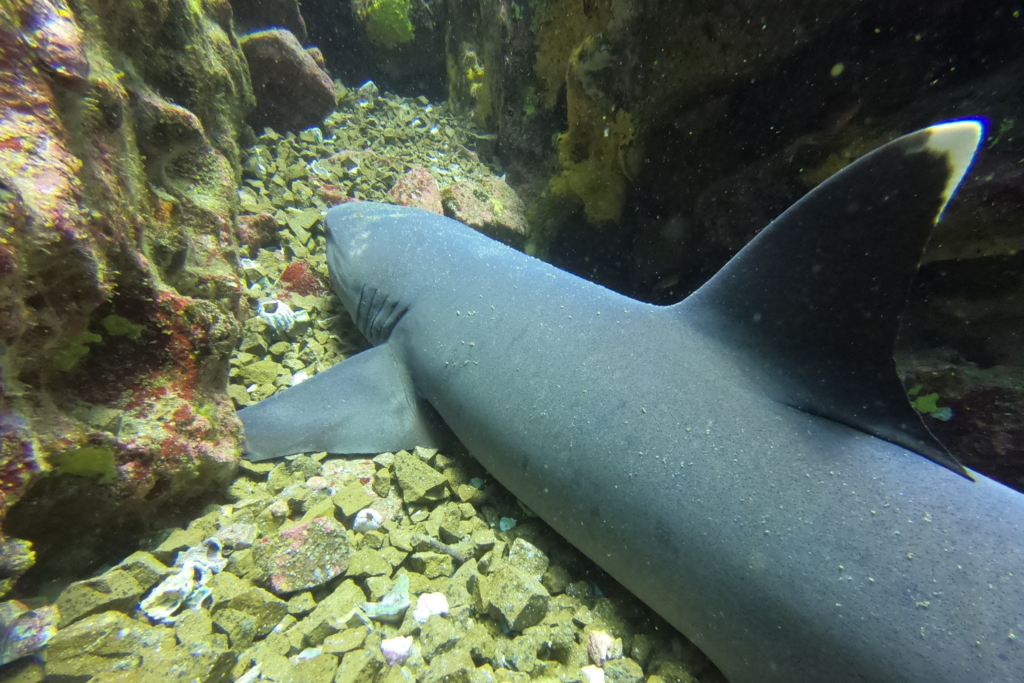
Marine life is usually reef-focused: expect white-tip reef sharks, schooling fish and classic Galápagos reef species along the rocky contours. Every now and then, if we’re lucky and looking deep, we may spot a mola (Mola Alexandrini).
These dives are about building confidence, sharpening the basics, and getting the team ready for what’s coming next.
PM: IN ROUTE TO WOLF ISLANDAfter Diving
Navigation to Wolf Island (Crossing the Equator)
After our dives at Punta Carrión, we return on board for a well-earned lunch and time to unwind. Then we begin our journey north to Wolf Island, approximately 120 nautical miles across the Galápagos Sea.
This is our first major crossing and the moment we pass the Equator line. The Galaxy Diver II is one of the fastest liveaboards in the islands, so this navigation is typically around 10–12 hours (depending on conditions).
On board we will relax on deck, enjoy the volcanic horizon, recharge, and start getting your camera setup ready, because Wolf is where the real shark action begins.
Day 3 Friday
Wolf Island | The Shark Kingdom of the North
Wolf is one of the most iconic dive zones in Galápagos, it is remote, wild, and only reachable by liveaboard. This is where the big schools of sharks begin.
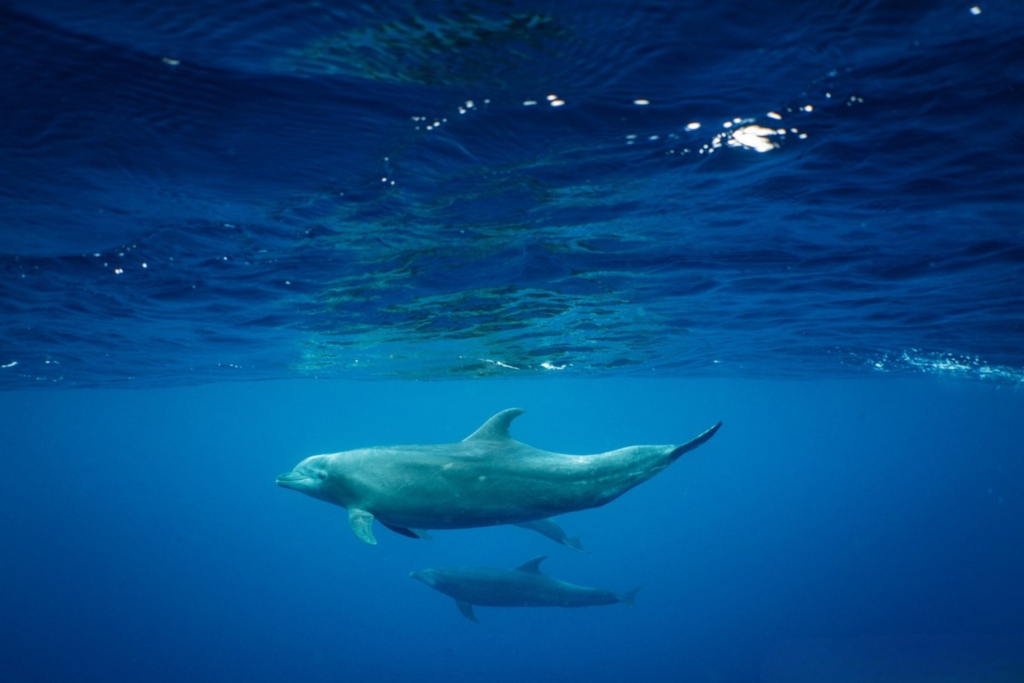
Hammerhead sharks and Galápagos sharks can be seen year-round. Add rays, sea turtles, and endless fish life and you get the kind of dive people wait for lifetime. Conditions often deliver a stunning diving along steep volcanic walls and rocky reefs.
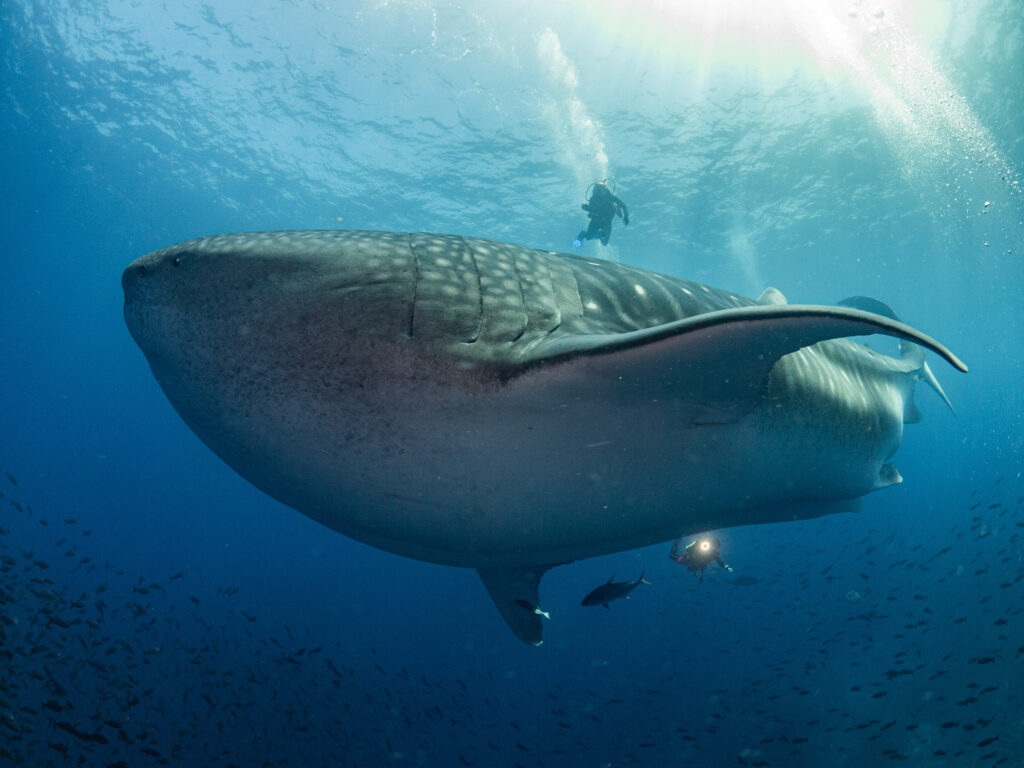
For the largest aggregations and the best chances of whale sharks sittings, the prime season runs from June to November.
Main dive sites (best for hammerheads):
Shark Bay
Landslide
AM / PM: SHARK BAY / LANDSLIDE 4 DIVES
Shark Bay (Wolf Island) | Hammerhead Cleaning Stations
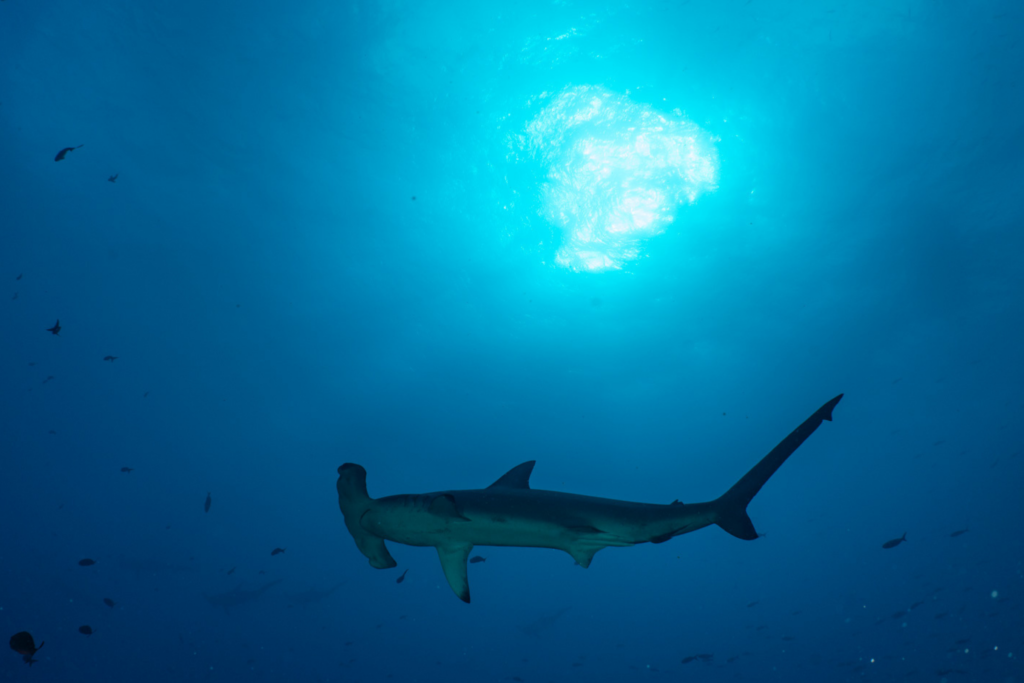
Shark Bay is often the perfect place to start our Wolf dives. The site offers a bit more protection from the main current, giving us time to read the conditions, fine-tune the plan, and settle into the rhythm of the day.
Here we focus on cleaning stations along the rocky structure key spots where schools of hammerhead sharks often circle in and out, allowing us to observe them up close while we hold position and let the action come to us. With the right timing and current, Shark Bay can deliver some of the most classic hammerhead moments in Galápagos.
PM: IN ROUTE TO WOLF ISLAND
After Diving Navigation to Wolf Island
(Crossing the Equator)
After our dives at Punta Carrión, we return on board for a well-earned lunch and time to unwind. Then we begin our journey north to Wolf Island, approximately 120 nautical miles across the Galápagos Sea.
This is our first major crossing and the moment we pass the Equator line. The Galaxy Diver II is one of the fastest liveaboards in the islands, so this navigation is typically around 10–12 hours (depending on conditions).
On board we will relax on deck, enjoy the volcanic horizon, recharge, and start getting your camera setup ready, because Wolf is where the real shark action begins.
Day 4 Saturday
DARWIN ISLAND | 4 DIVES
Darwin Island | Bucket-List Diving, Documentary Moments
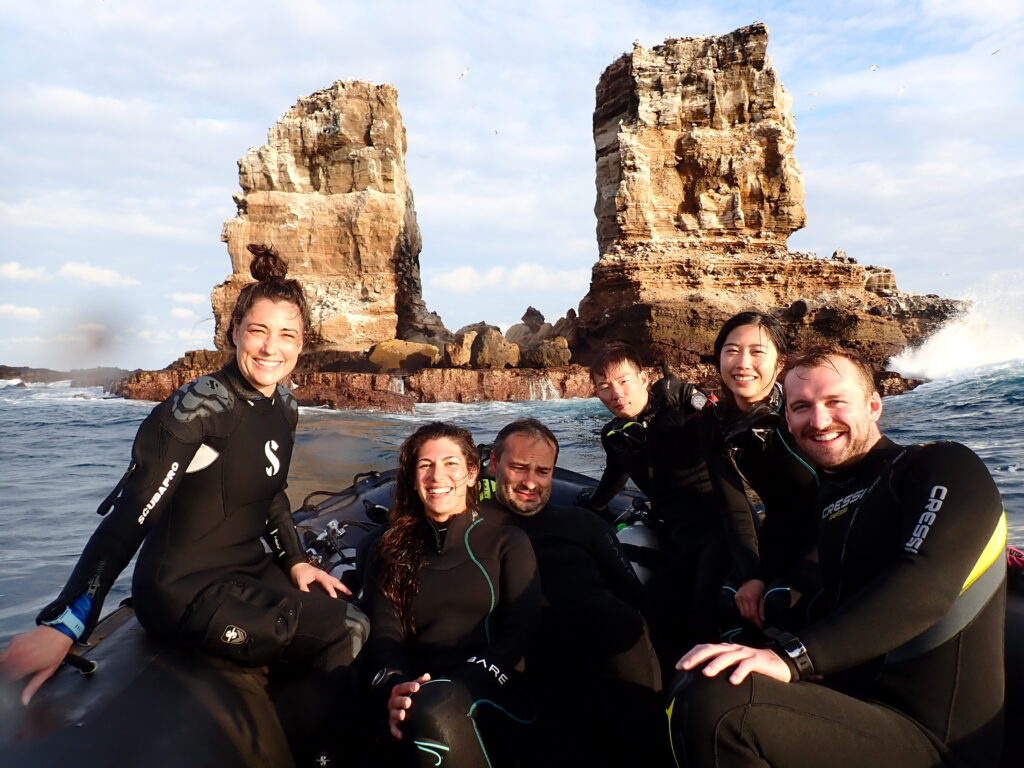
Darwin is the stage where Galápagos delivers its most iconic dives. Remote and accessible only by liveaboard, rocky reefs, deep blue water, and big-animal encounters that made this place famous worldwide.
The arch may be gone, but the Pillars still mark the zone, and underwater it’s pure magic: hammerheads and Galápagos sharks year-round, coral patches packed with turtles, and nonstop motion from jacks, tunas, and dolphins.
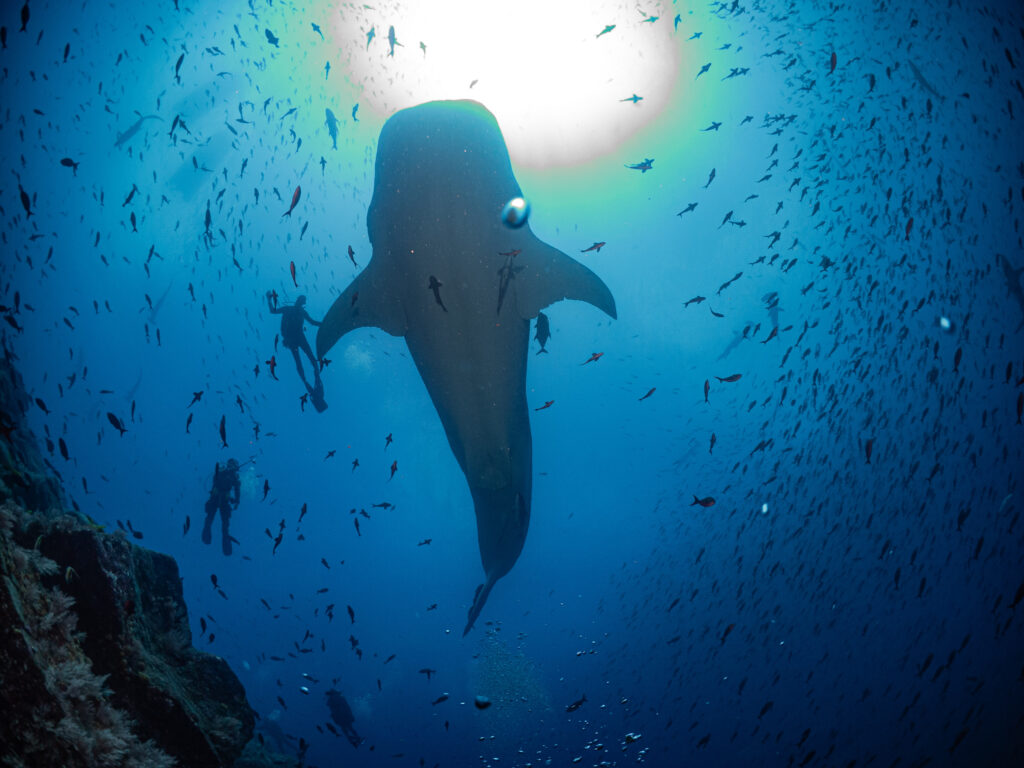
From June to November, Darwin reaches peak season at The Theatre, one of the most famous whale shark zones on Earth. If Wolf is the shark kingdom, Darwin is the documentary moment you came for.
Main dive sites:
• Darwin’s Pillars
• The Theatre (seasonal whale shark zone)
• El Arenal (sandy area)
Darwin’s Pillars (Darwin Island) | The Gateway to the Theatre
Darwin’s Pillars are the landmark of the zone and the starting point for some of the most iconic dives in Galápagos. Rising from the blue next to Darwin Island, the Pillars sit on the edge of deep open ocean, exactly where the current concentrates life.
The Theatre (Darwin Zone) | Cleaning Stations & Big Aggregations
The Theatre is where Darwin becomes world-famous. It’s a volcanic rock platform around 17 meters ( 57 feet ) depth, known for its cleaning stations, a natural meeting point where big animals circle in and out.
This is a stay-and-watch dive: we hold position and let the ocean deliver. In season, this is prime territory for giant whale sharks.
El Arenal (Darwin Area) | Coral Patch & Hammerheads Over Sand
El Arenal sits between the Pillars and the island and offers one of the largest coral patches in Galápagos.
This is where you can experience one of the most unforgettable scenes for any diver: hammerheads cruising over the sand, moving like shadows in formation. Along the reef, it’s common to see sea turtles feeding, and occasionally Darwin surprises with a tiger shark passing throug
Day 5 Sunday
DARWIN MORNING 2 DIVES /
BACK TO WOLF PM 2 DIVES
AM | Darwin 2 DIVES
Another morning in Darwin to take advantage of changing conditions, this area can look completely different dive to dive. Even the safety stop can be unreal, with sharks, dolphins, and big life cruising below.
PM | Wolf Island: Landslide and Shark Bay | Dives: 2
We return to Wolf, around 2 hours of navigation. Often the light and current patterns shift later in the day, perfect for another shot at cleaning stations, Galápagos sharks, and hammerhead activity.
After the last dive, we begin our return south, roughly 100 nautical miles toward Isabela (typically 10–12 hours, depending on conditions).
Day 6 Monday
AM: DOUGLAS CAPE /
PM: VICENTE ROCA POINT
AM | Fernandina Island: Douglas Cape / Iguanas Dive | Dives: 2
A unique Galápagos experience and one of the most special mornings of the trip.
Dive 1 (deeper): we’ll look for rare, endemic highlights like the red-lipped batfish, Galápagos Sea robin, and the endemic Galápagos bullhead shark.
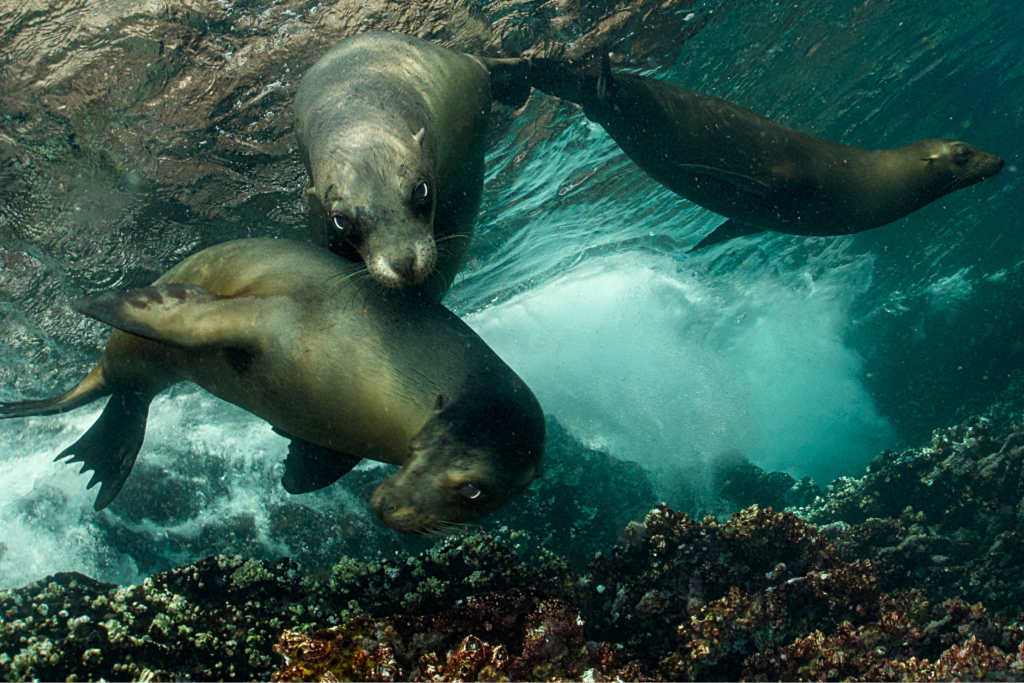
Dive 2 (shallower): timing the action as marine iguanas warm up and enter the water to feed, the only place in the world where you can dive with marine iguanas underwater.
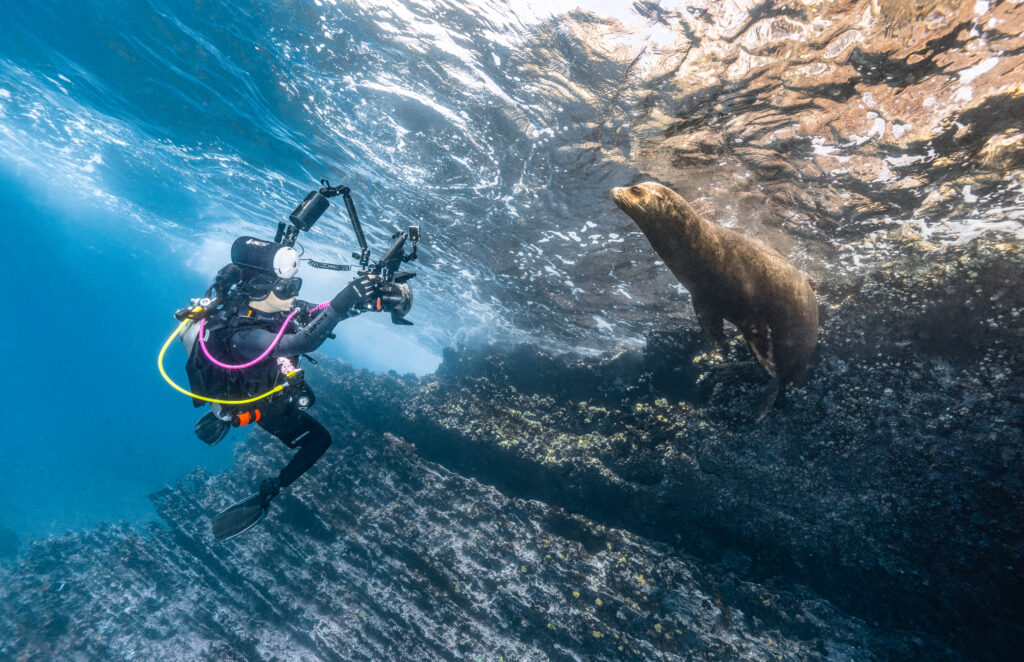
You may also see Galápagos penguins (one of the smallest penguin species and the northernmost penguin on Earth), the flightless cormorant, sea turtles, and plenty of sea lions.
PM | Isabela Island: Vicente Roca Point | Dives: 1
A scenic and dramatic dive in cooler nutrient-rich water. This site can be cold and deep (up to 30m or 100 feet), and we’ll look for cleaning stations that can attract Mola Alexandrini.
The volcanic coastline here is unreal and during daytime navigation you may spot whales, dolphins, and occasionally orcas.
Day 7 Tuesday
AM: COUSIN ROCK /
PM: HIGHLANDS
AM | Santiago Island: Cousin Rock | Dives: 1
A beautiful final dive focused on topography, coral structure, and macro life: seahorses, nudibranchs, reef fish, and the chance for white-tip reef sharks. Sea lions often join the fun, and eagle rays. In season, you may even see mobulas and occasionally Mantas rays.
PM (Land Visit) | Santa Cruz Island: Highlands | Dives: —
In the afternoon we head to the Santa Cruz Highlands to see giant tortoises in the wild and explore the lush interior of the island. If included, we may also visit a lava tunnel.
Day 8 Wednesday
AM: BALTRA (AIRPORT)
DEPARTURE
AM | Santa Cruz Island: Baltra – Airport (Return) | Dives: —
After breakfast, we transfer to Baltra Airport for your flight back to mainland Ecuador. Our team will assist with timing and logistics to ensure a smooth departure.
What’s Included
Domestic flight
Valued at $450
Nitrox
Valued at $150
Dive Gear
Valued at $270
Hotel
Valued at $170
Accommodation
Liveaboard accommodation on Galaxy Diver III
Up to 3-4 dives dailyBase
Based on the Itinerary
Tanks & weights
2 Dive Guides
Guided diving program (Darwin & Wolf itinerary).Ratio is 1:8
Meals and snacks
All meals onboard (breakfast, lunch, dinner + snacks)
F.A.Q.
Diving With Destigo
Yes. All Destigo dive experiences are designed for certified scuba divers. The Galápagos is a demanding environment, and prior certification ensures divers have the foundational skills required to dive safely and responsibly.
Experience requirements depend on the type of dive experience you choose. Advanced diving expeditions are recommended for divers with strong buoyancy control, comfort in currents, and prior experience in challenging conditions. Intermediate adventure dives are suitable for certified divers with moderate experience who want to explore the Galápagos at a more relaxed pace. We review experience levels carefully to match divers with appropriate sites.
The Galápagos offers excellent diving year-round, with seasonal variations. From December to May, water temperatures are warmer and conditions are generally calmer. From June to November, water temperatures are cooler, but this season offers increased chances of encountering large pelagic species such as whale sharks. We help divers choose the best time based on their goals and preferences.
The Galápagos is known for its extraordinary biodiversity. Divers commonly encounter hammerhead sharks, reef sharks, whale sharks, manta rays, sea lions, turtles, marine iguanas, and large schools of pelagic fish. Wildlife encounters vary by season and conditions, and sightings are never guarantee
Yes. All dives with Destigo are guided by experienced dive professionals who are familiar with local conditions. Guides lead the dives, manage timing and profiles, and provide thorough briefings before entering the water.